 Mahadev Foundation

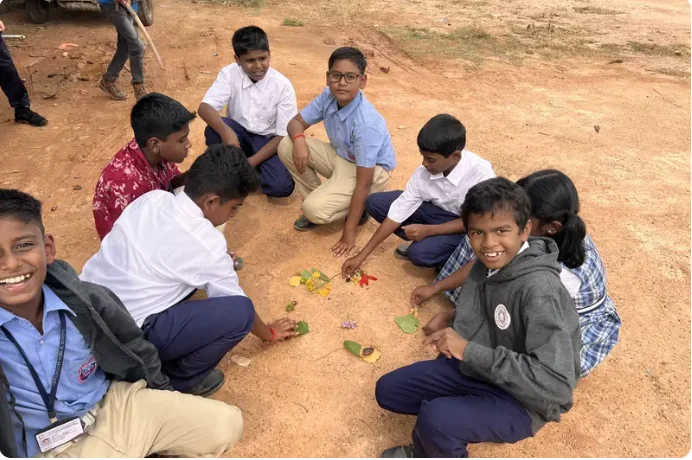
Teaching soil
Natural design written into the curriculum of two schools. Children look for leaves and seeds, draw what they find, and sow and plant with their own hands.
Since 2017
Mahadev Foundation repairs worn-out farmland with the people who live on it, teaches what that takes, and builds livelihoods on top of both. Bengaluru.
We think this land can come back. We take care of the earth and of the people, and we share fairly what the land gives.
Years of eucalyptus and hard farming took the life out of the soil, and the families who live on it grow little of their own food.
The Foundation repairs land that people gave up on, teaches what that takes, and works with the village around it. Then it brings city people to the work: to learn, to give their time, and to buy the clean food that the farms grow.
Map where the rain runs. Hold the water. Plant. Taranya is the working example.
Volunteers go door to door and listen first. What families say decides the first changes.
Visitors learn on the land, give their time, and buy what the farms grow.
Art, food and livelihoods carry the work after the first season, so it does not stop when the help does.
Every figure below is drawn from our own dated field record and audited accounts, and can be evidenced on request. We would rather show a small number we can prove than a large one we cannot.
Natural design delivered as a full curriculum, in one conventional and one alternative school — Paramount Public School and Purna Learning Centre.
Green enterprises incubated under Samagram — The Secret Table Cafe, which ran inside the Avni backyard forest, and Lichen.design, now operating on its own.
Taranya — an acre of degraded land adopted and rebuilt as a working model, with a farming community forming around it.
The Foundation owns no land. We work on land that belongs to others — adopted farmland, institutional ground, village commons — because the point is the community around it, not the plot. The landowner gives the site; the farmers nearby are who the work is for. Our field journal records every site visit from July 2022 onward, with the work planned, the work done and the observations made. Audited accounts show consistent expenditure on saplings, school books and ecological documentation in every year since 2017. Both are open to any partner who asks.
The Foundation takes its name from a line in The Immortals of Meluha — everyone is Mahadev. Ordinary people, acting where they are, are what restores a place. The wings feed each other: the land grows the produce, the produce supports a livelihood, the livelihood pays back into the land.

The soil. Samam brought one exhausted farm, Taranya, back to life, teaches what that took, and works with the village around it. Most of its work is done by volunteers.
Soil, water and people →
Art and culture. Performing-arts events in the city, and films about rural artists and the crafts that are being forgotten. The art brings the city to the village.
Art that travels →
Green business. Helps entrepreneurs start and grow ventures that earn a living from ecological work. Its first business was The Secret Table Cafe, in Bangalore.
Livelihoods →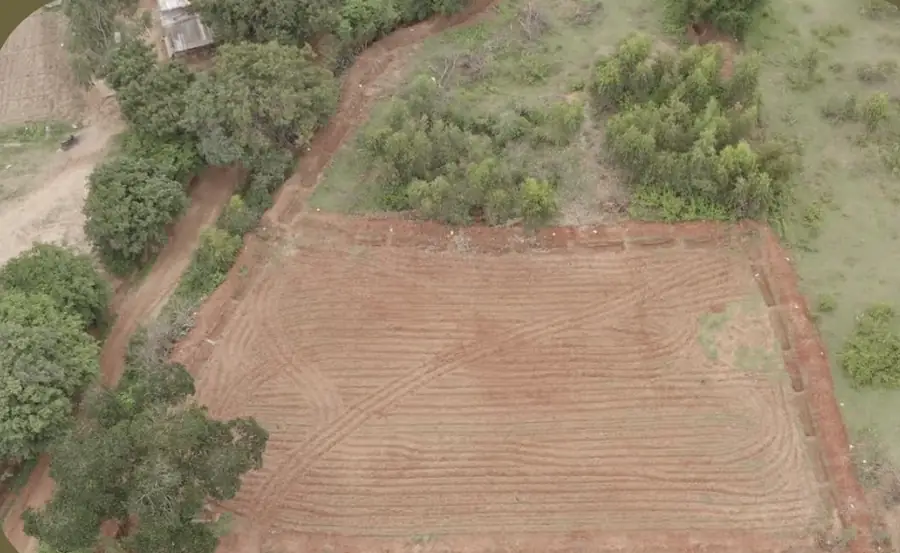
 2022
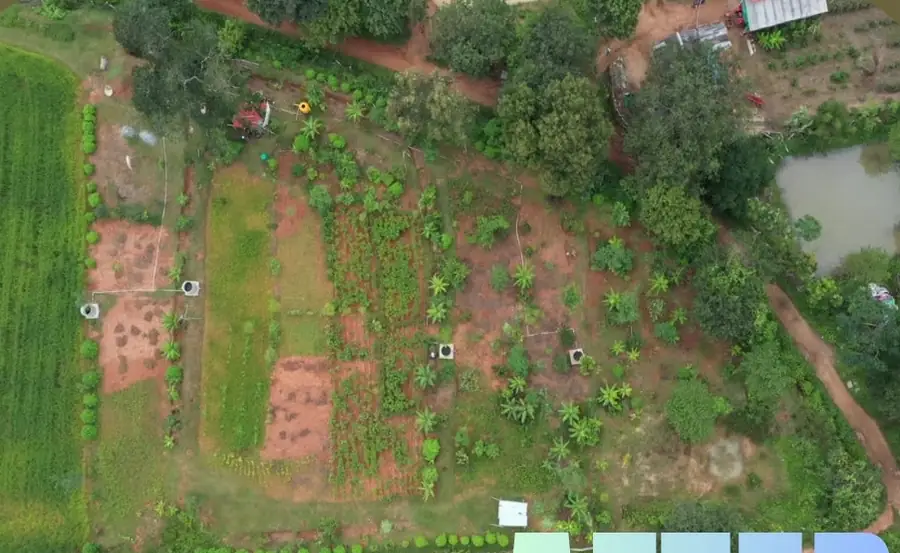
Today
Eucalyptus plantations had exhausted the land, and nothing grew on it. Samam's members and volunteers took it on. They mapped where the rain ran off, dug a pond and trenches to hold the water, and planted. Today the farm grows food, and people come to see it.
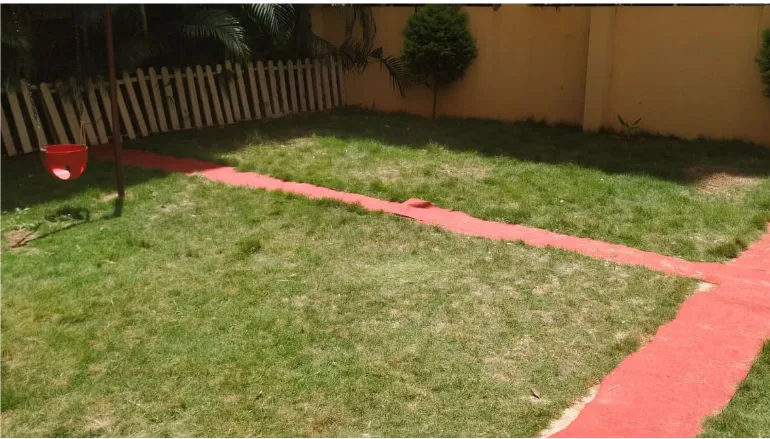
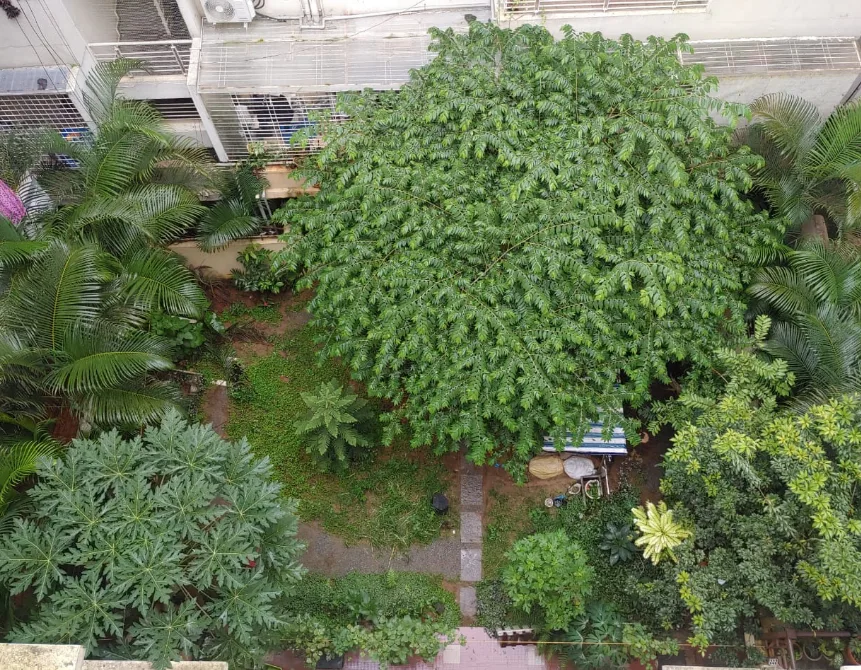
Avni Backyard Forest was a thousand square feet of lawn behind a rented house in Akshay Nagar, Bengaluru, boxed in by apartment blocks. Over five years it became a food forest of 55 species, 35 of them edible. The Secret Table Cafe grew up inside it.
Natural design written into the curriculum of two schools. Children look for leaves and seeds, draw what they find, and sow and plant with their own hands.
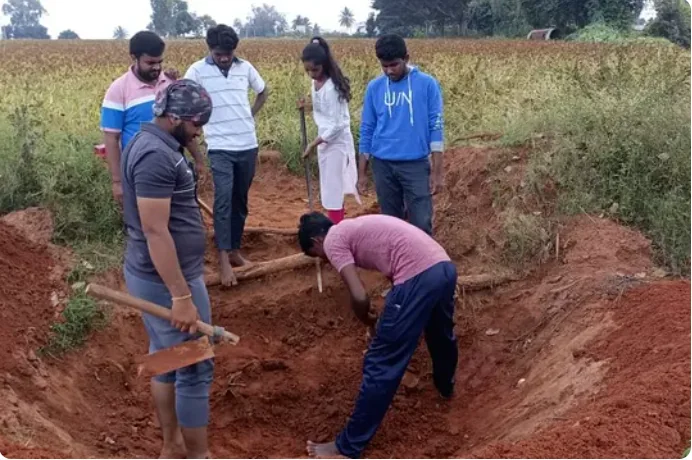
City visitors spend a day at Taranya: how water and soil work, testing the soil, and digging the trenches that hold the rain.
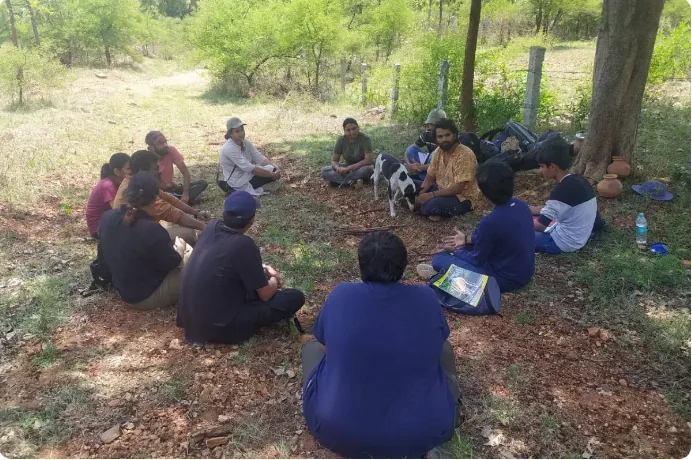
Weekend camps where volunteers go from door to door in Subraya Nagenahalli. What they hear decides the first changes.
We are a registered charitable trust, not a consultancy. What we offer a company is a programme with a community at the end of it — land that gets better, farmers who learn something they keep, children who are taught properly — and a record detailed enough to report against.
Write to mahadevfoundations@gmail.com and we will send the current programme note and available dates.
Most of what has happened on this land happened because someone turned up on a Saturday. If any of this is yours to do, write to us.
Come to the land or join a village camp. No experience needed — you will be shown what to do and why it works.
Bring a college, a school or a team for a day at Taranya. We run these ourselves.
Design work, programmes, partnerships on other land. We work on sites that are not our own.
Saplings, tools, fencing, a caretaker's wages. Small amounts go a long way on an acre.