Mahadev Foundation / Samam

It brought one exhausted farm, Taranya, back to life. It teaches what that took. And it now works with the village around the farm, Subraya Nagenahalli in Doddaballapura. Most of its work is done by volunteers.
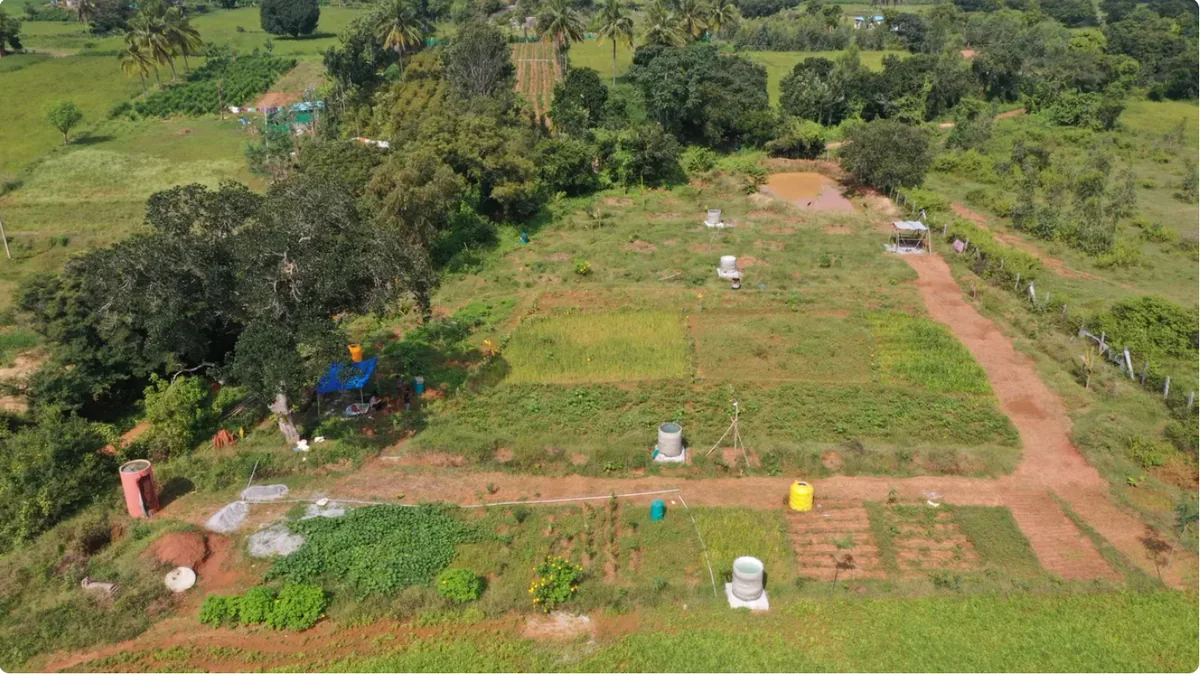
A farm that came back. The working example everything else points to.
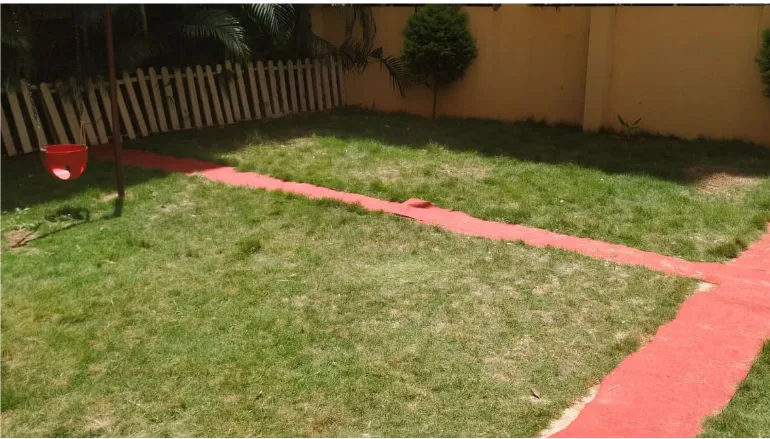
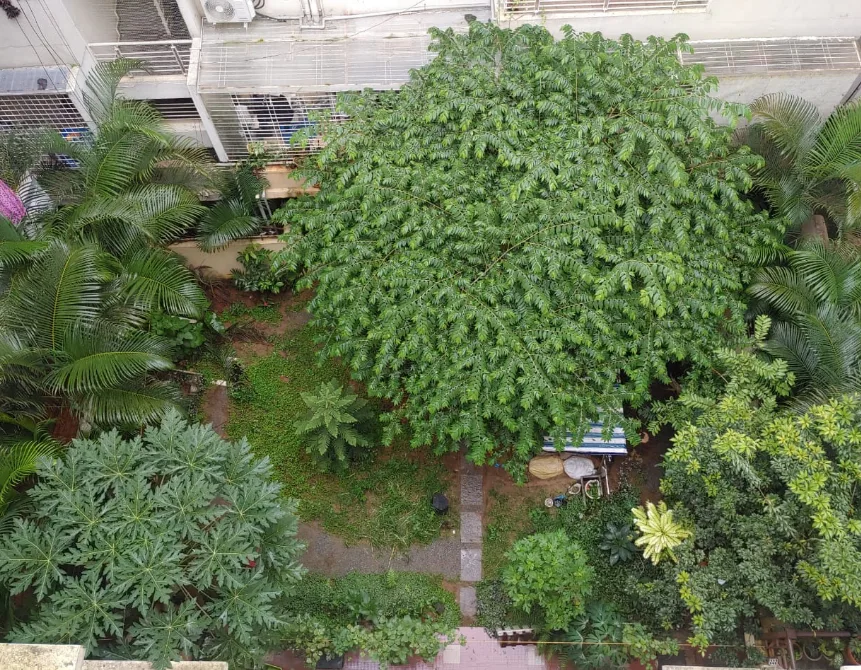
A lawn turned into a backyard food forest, and the cafe that grew in it.
The soil taken into the classroom, and out of it.
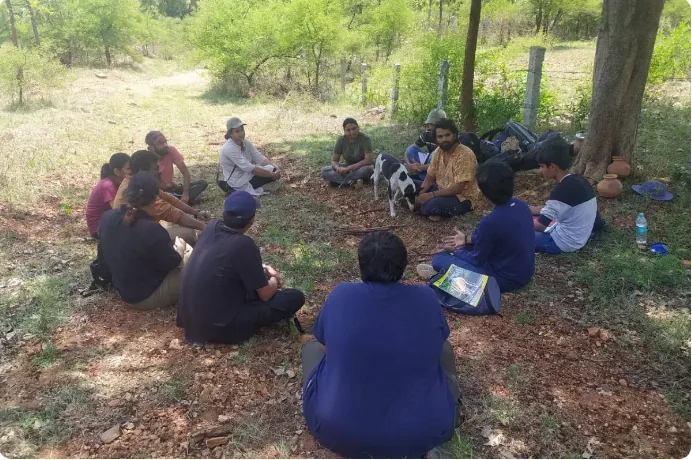
City people spend a day learning how water and soil work.
Door-to-door camps. Listening comes before any change.
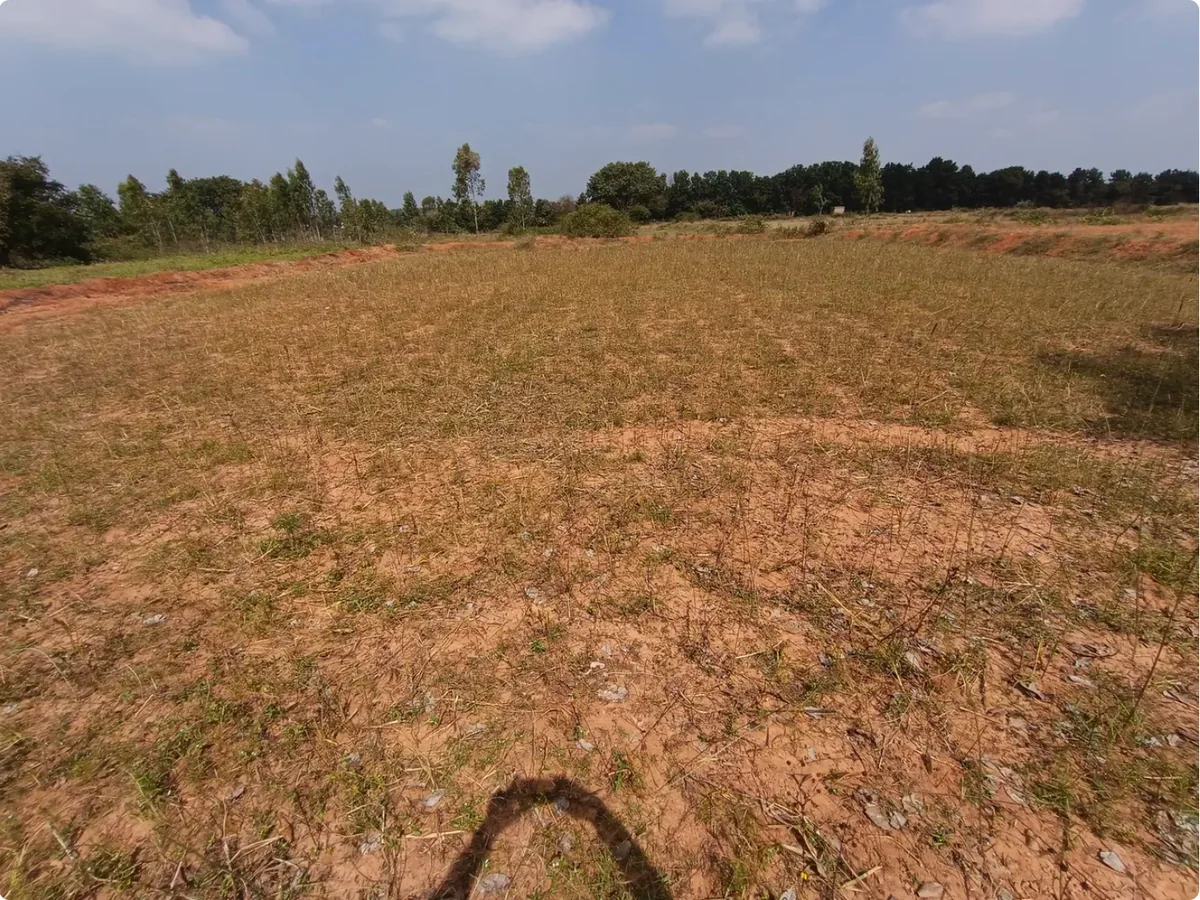
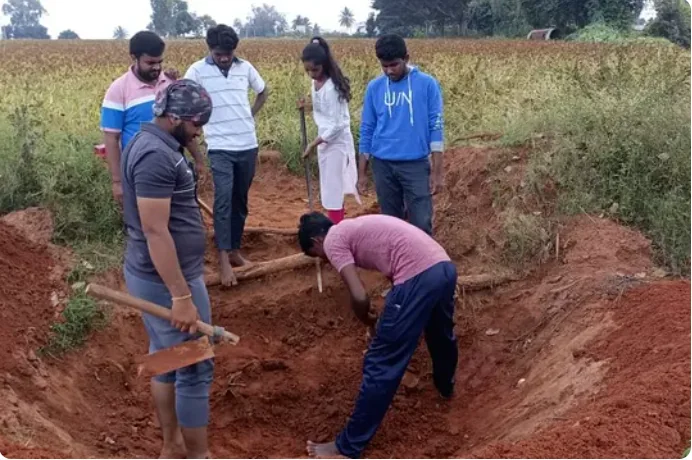
Eucalyptus plantations had exhausted the land, and nothing grew on it. Samam's members and volunteers took it on. They mapped where the rain ran off, dug a pond and trenches to hold the water, and planted. Today the farm grows food, and people come to see it.
A rented thousand square feet of lawn in Akshay Nagar, turned into a food forest with no synthetic inputs. The water was watched first, then a percolation pond and trench were dug, the ground was mulched, and the forest was planted from the edges in.
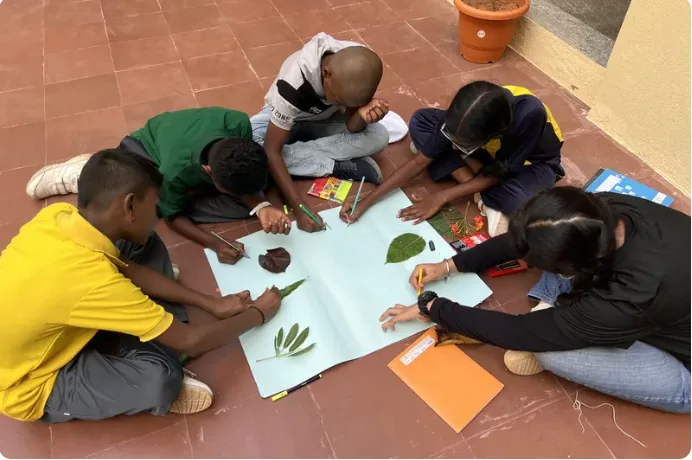
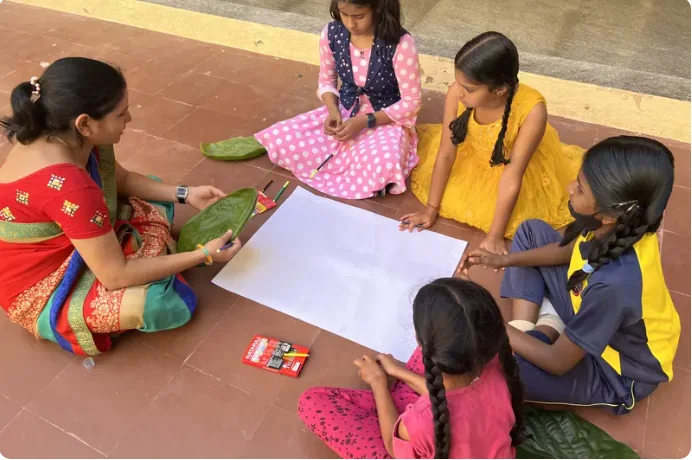
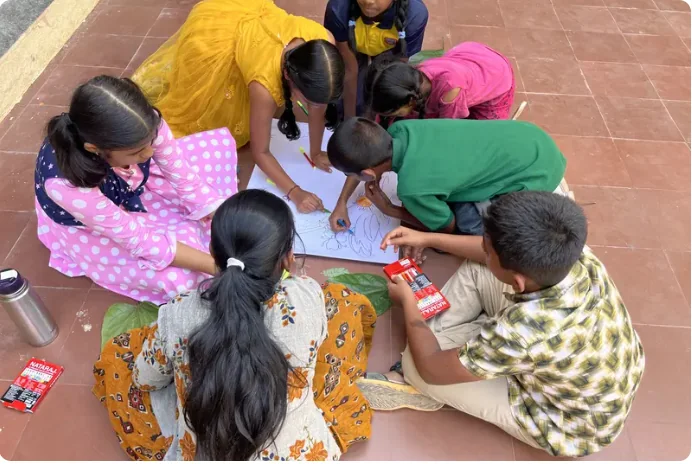
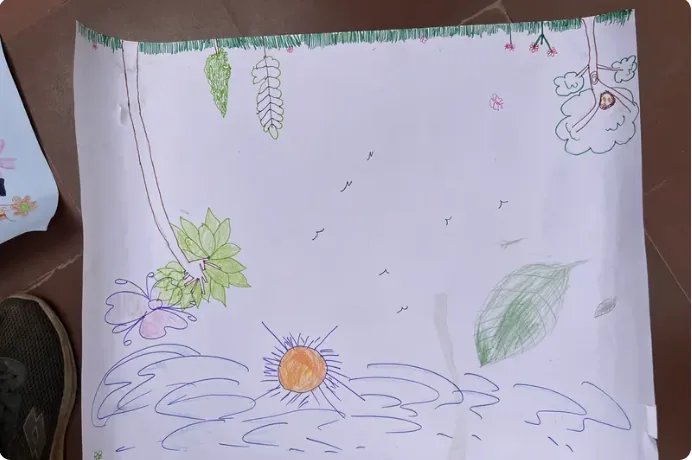
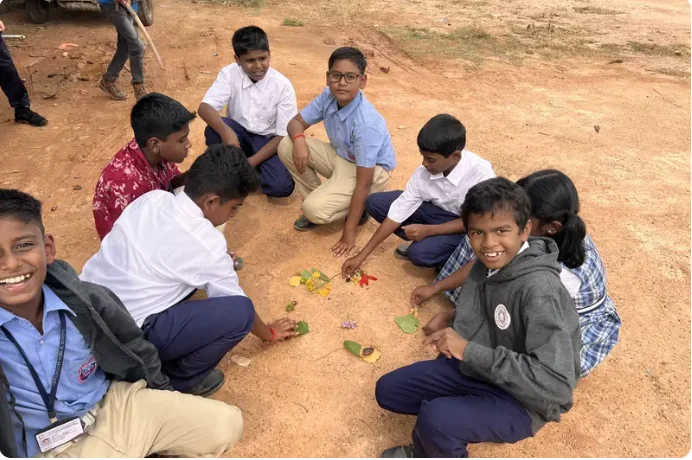
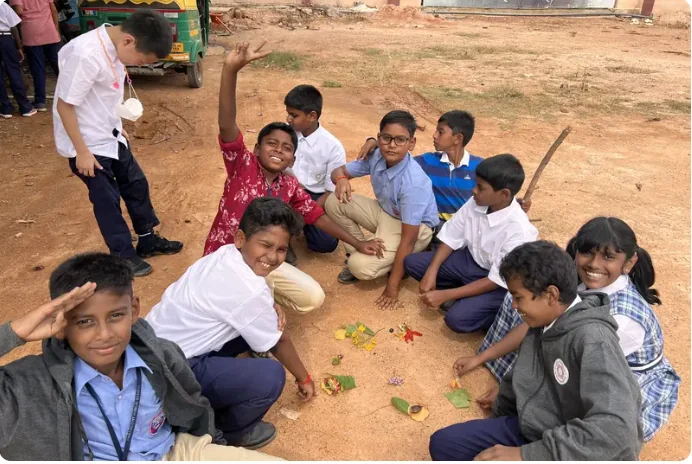
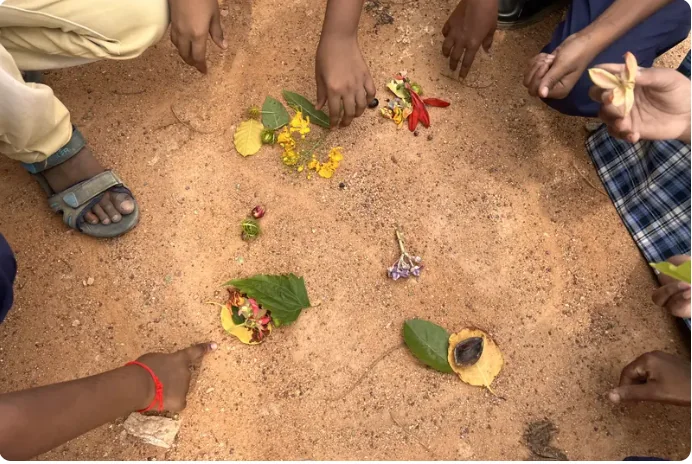
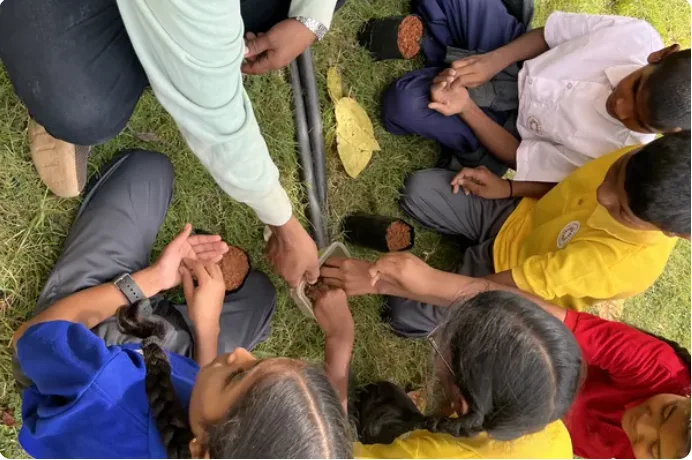
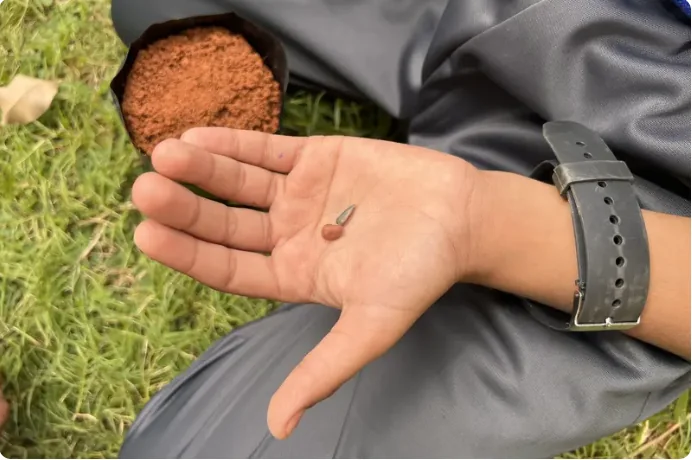
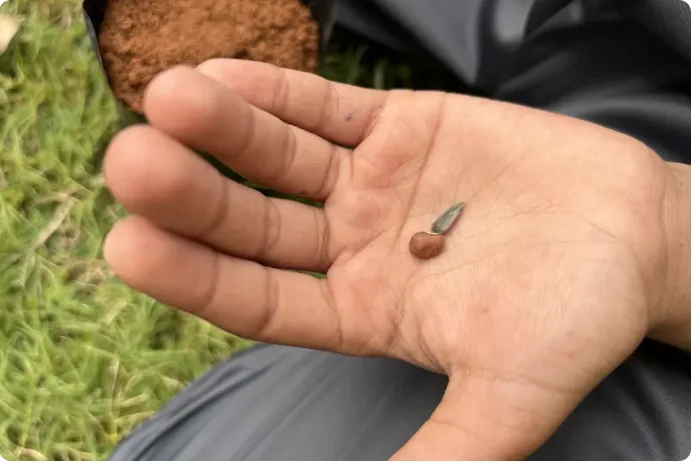
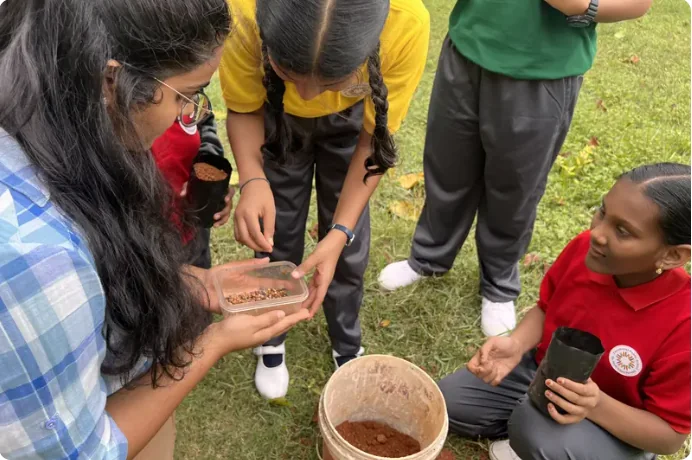
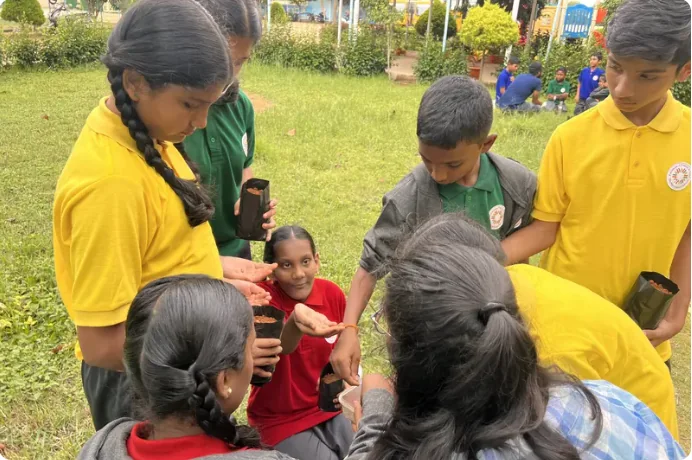
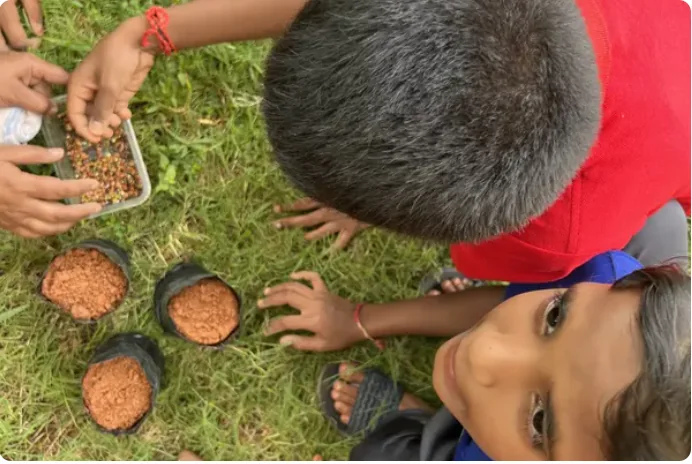
Children look for leaves and seeds, draw what they find, sit in seed circles, and sow and plant with their own hands. Natural design is written into the curriculum of two schools — Paramount Public School and Purna Learning Centre — and the soil is taught directly: what it is made of, the earthworms and bacteria in it, and how water moves through it.
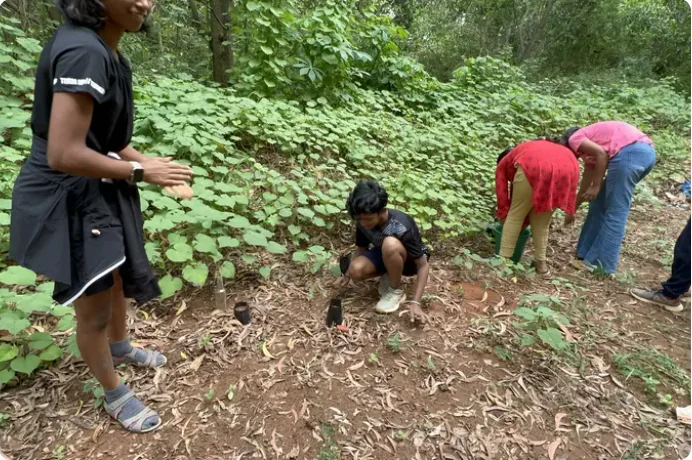
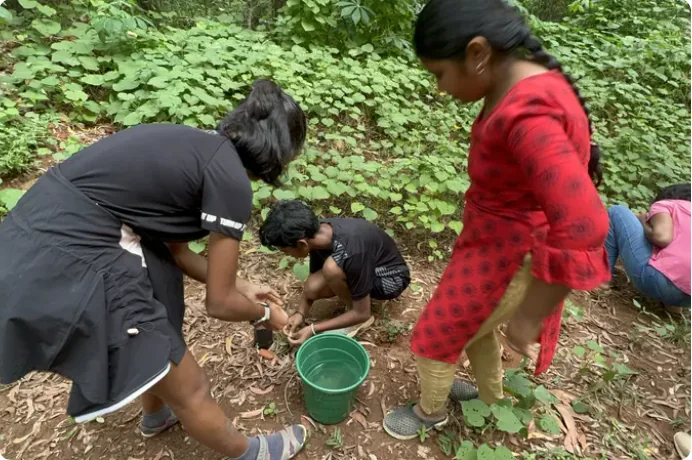
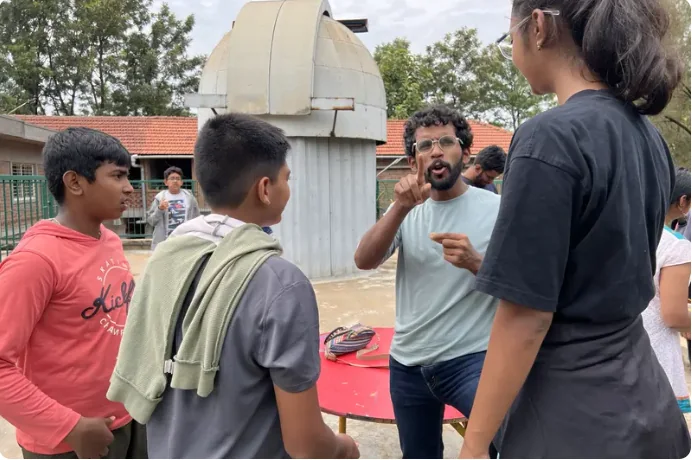
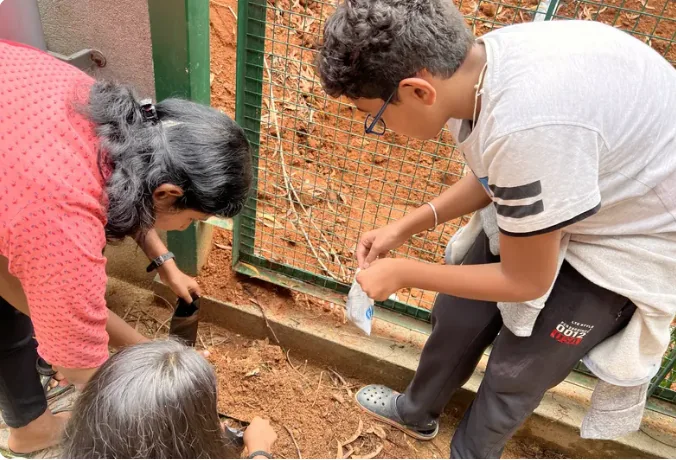
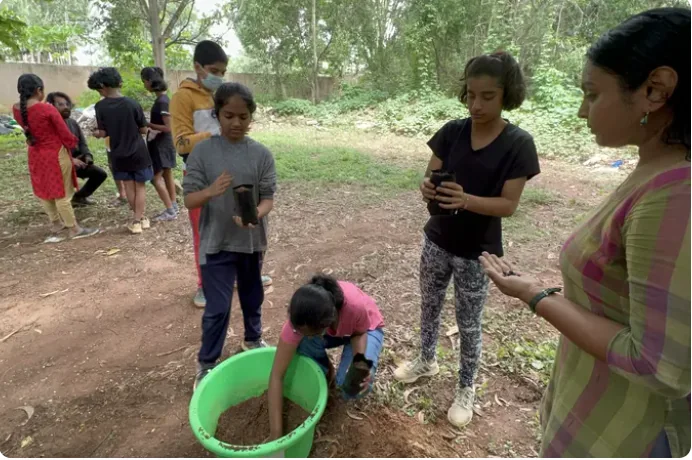
People from the city come for a day on the land. They hear how water and soil work, test the soil, and dig the trenches that hold the rain.
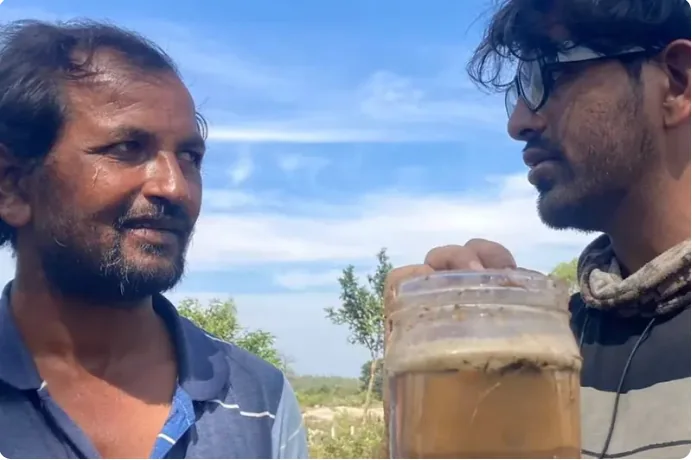
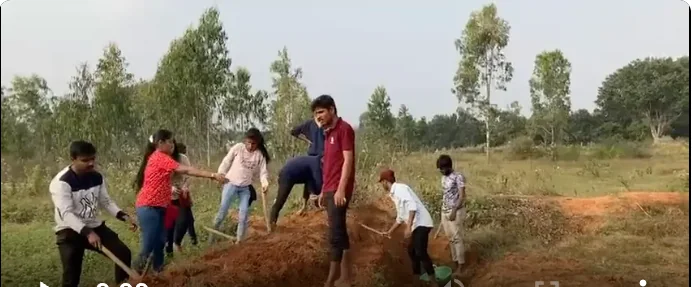
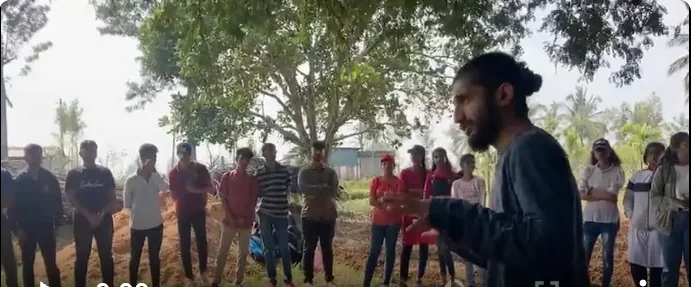
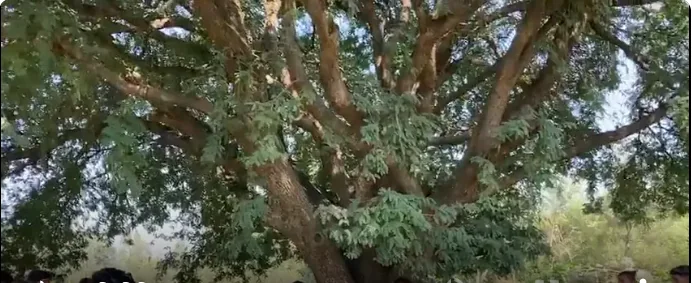
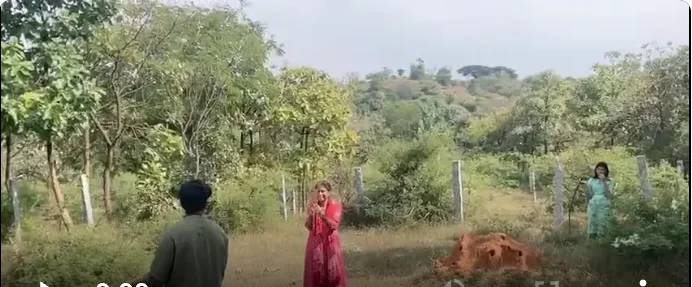
Video of these sessions is on samam.mahadevfoundation.org.
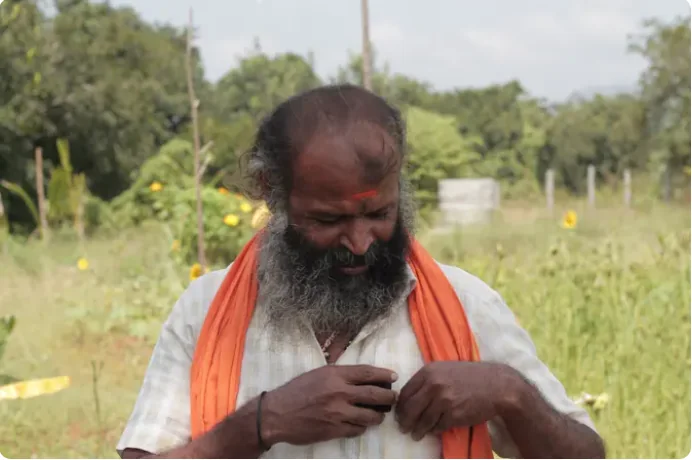
Samam's camps take volunteers to Subraya Nagenahalli for a weekend. They go from door to door to hear how families live and work, and what they hope for. What they hear decides the first small changes that we make with the village.
Join a village camp, a day on the land, or a school session. No experience needed.
 Mahadev Foundation